Back to Learn
Wellness 8 min read

THC for Stress and Relaxation: How Cannabinoids Interact with Your Body

Learn how THC interacts with the endocannabinoid system to promote relaxation and manage everyday stress. Covers dosing, strain selection, timing, and what the research says.

February 13, 2026·

Why THC Can Help You Unwind

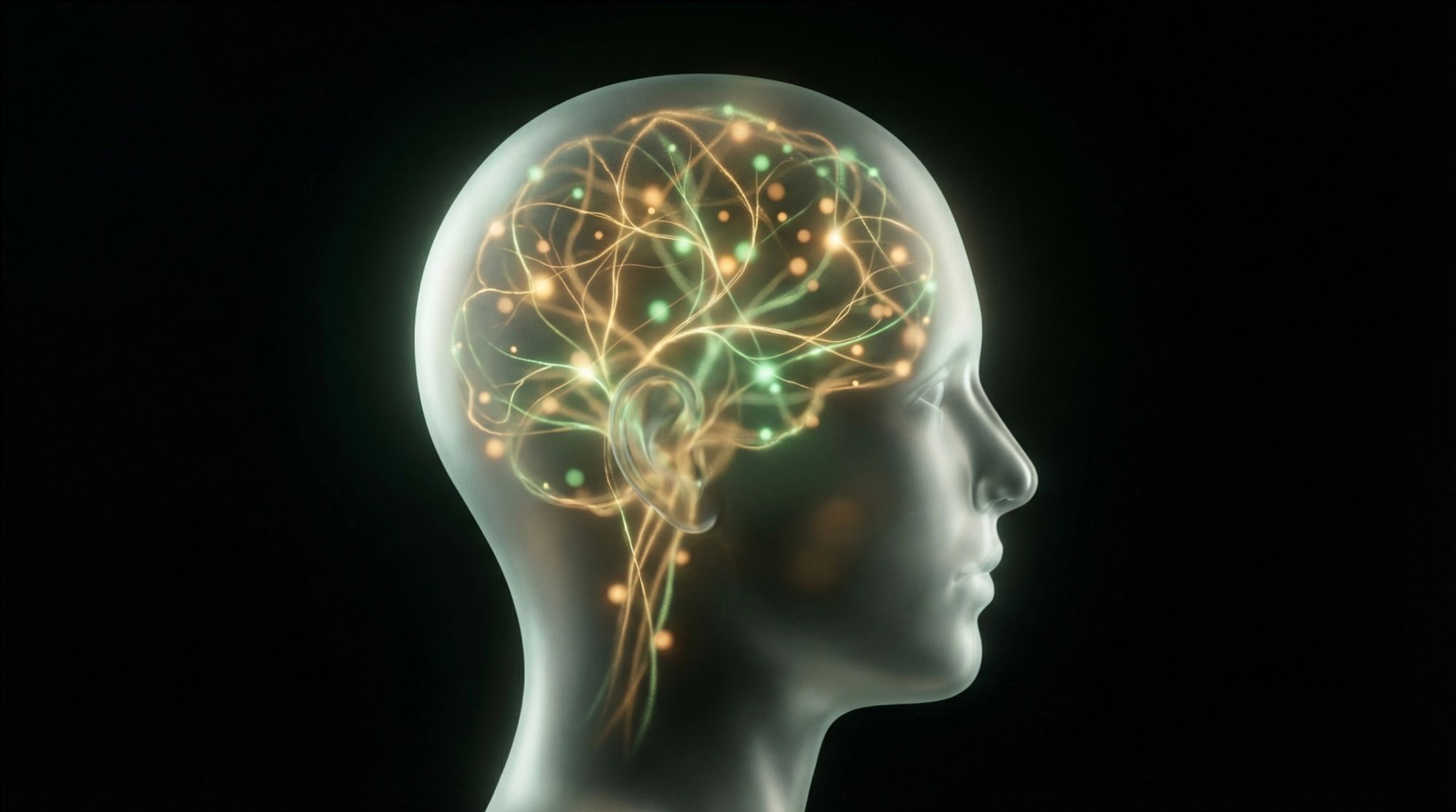
Translucent head silhouette with glowing neural pathways representing the endocannabinoid system

Your body has a built-in system designed to regulate stress, mood, sleep, and other functions. It's called the endocannabinoid system (ECS), and it's active in everyone — whether or not they've ever consumed cannabis.

The ECS consists of receptors (primarily CB1 and CB2), endocannabinoids your body naturally produces (like anandamide, sometimes called the "bliss molecule"), and enzymes that break them down. THC works by binding to CB1 receptors in the brain and nervous system, mimicking the effects of your natural endocannabinoids.

When THC activates CB1 receptors, it can produce feelings of relaxation, euphoria, and calm. This is why many people turn to THC after a long day — it supports the same pathways your body already uses to manage stress, but with a stronger and more noticeable effect.
The Dose-Response Relationship: Less Is Often More

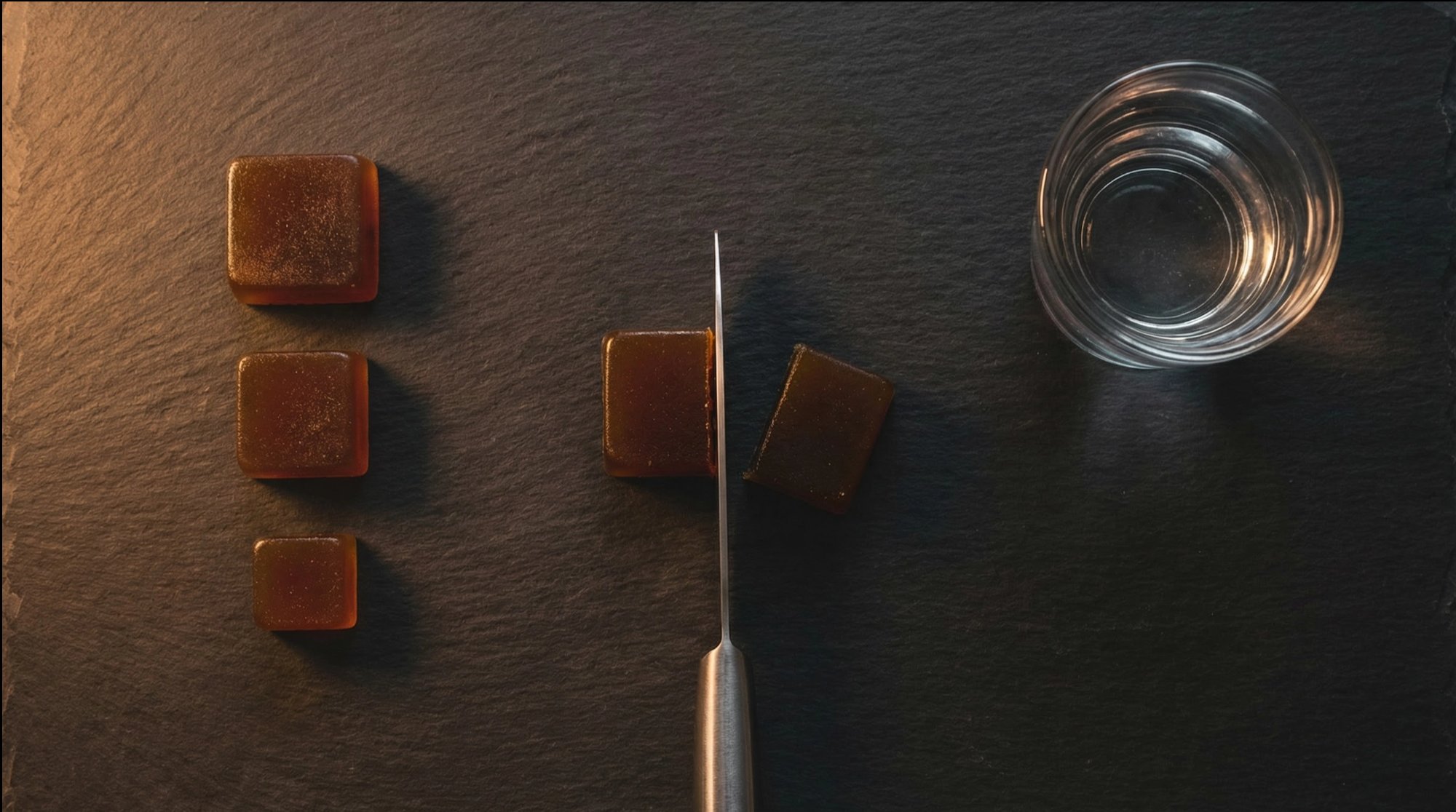
Gummy cut in half with knife on dark slate showing precise dosing

Here's something that surprises many people: THC's relationship with stress follows a biphasic curve. At low doses, it tends to reduce stress and promote relaxation. At high doses, it can actually increase anxiety and tension in some individuals.

Research has consistently shown that lower THC doses (around 2.5 to 7.5mg) tend to produce calming, anti-anxiety effects. Higher doses (15mg and above) can produce the opposite effect in people who are sensitive to THC or who don't have a tolerance built up.

This is especially important for people specifically using THC for stress management. Starting low — even as low as 2.5mg — and gradually finding your personal sweet spot is far more effective than taking a large dose and hoping for the best. Most people find their ideal stress-relief dose is lower than they expected.

Choosing the Right Product for Relaxation

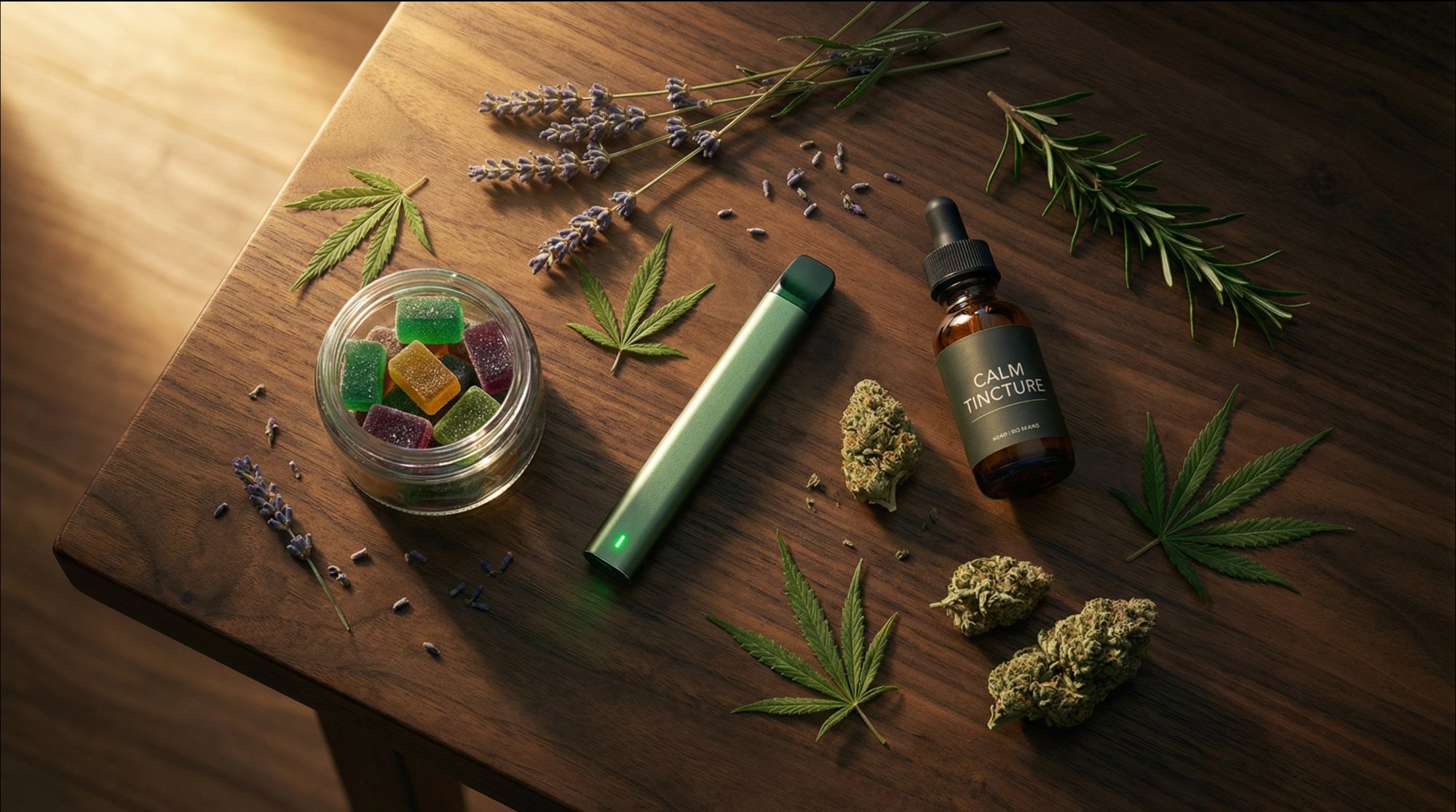
Curated cannabis wellness products with gummies, vape pen, tincture, and herbs

Indica-leaning strains and products are the traditional choice for relaxation. They tend to produce more body-focused effects — physical relaxation, heaviness, and calm. If you're looking to wind down after work or prepare for sleep, indica profiles are a reliable starting point.

Hybrid strains offer a balance between mental elevation and physical relaxation. They can be excellent for social situations or creative activities where you want to feel relaxed but not sedated.

CBD:THC combinations deserve special mention for stress relief. CBD moderates some of THC's more intense effects, including anxiety. Products with a 1:1 or 2:1 CBD-to-THC ratio are widely reported to produce a gentler, more clear-headed relaxation that many stress-prone users prefer.

Specific terpenes also play a role. Myrcene promotes sedation and relaxation. Linalool (also found in lavender) has calming properties. Limonene may elevate mood. Products that list their terpene profiles give you more information to choose wisely.

Timing Your Dose for Stress Relief

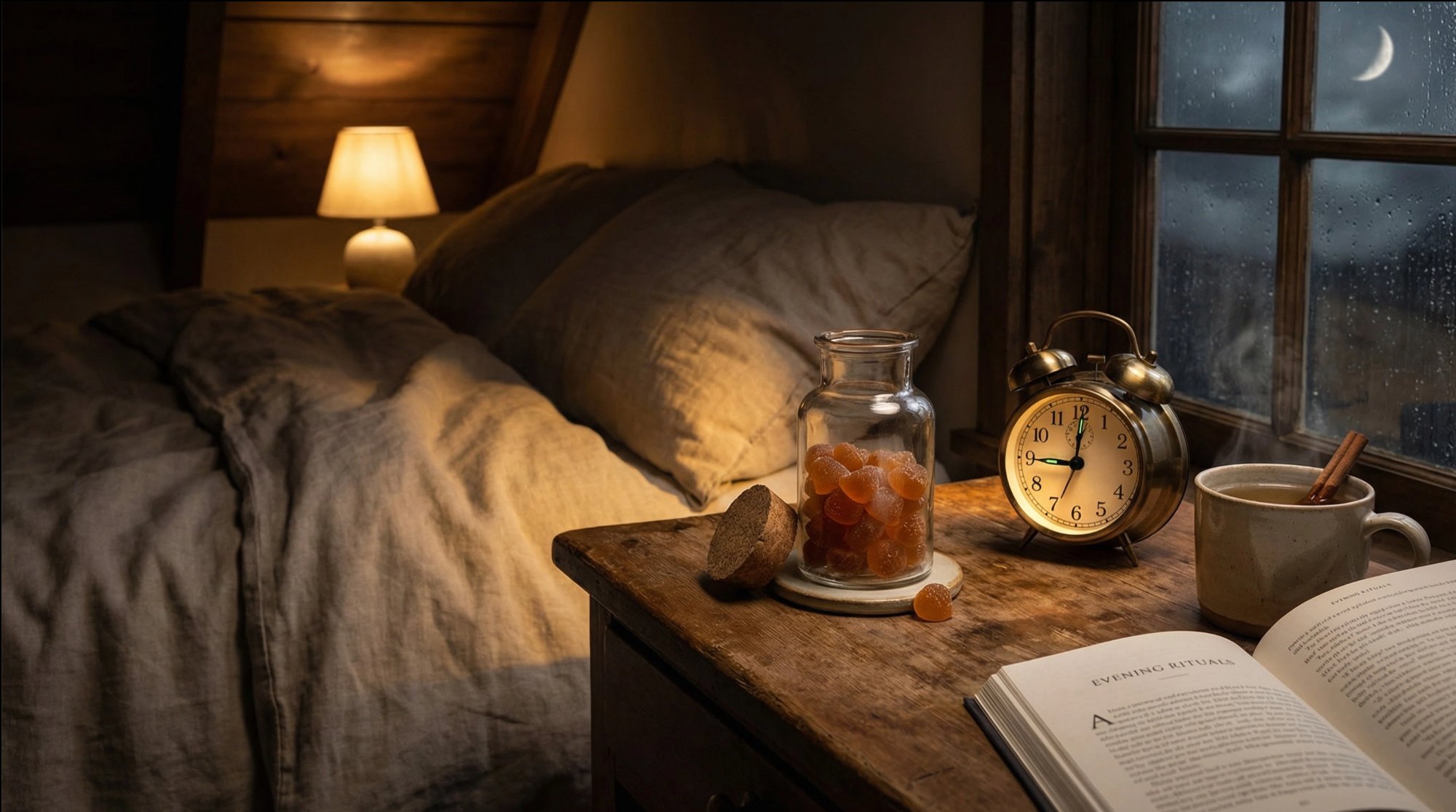
Cozy bedside scene with alarm clock, gummy jar, tea, and crescent moon

For evening relaxation: Take a gummy 1 to 2 hours before you want to feel the effects. If your goal is to unwind after dinner and relax into the evening, taking it right after your meal gives the gummy time to kick in as you're settling down.

For sleep support: Take your dose about 90 minutes before bedtime. This allows the effects to build as you're going through your nighttime routine, so you're at or near the peak when your head hits the pillow.

For social relaxation: Consider a lower dose (2.5 to 5mg) taken about an hour before the event. Microdosing for social situations keeps you relaxed and present without being noticeably impaired.

For chronic everyday stress: Some people find that a consistent low dose taken at the same time each day works better than occasional higher doses. This approach maintains steady endocannabinoid system support rather than dramatic peaks and valleys.

What the Research Shows

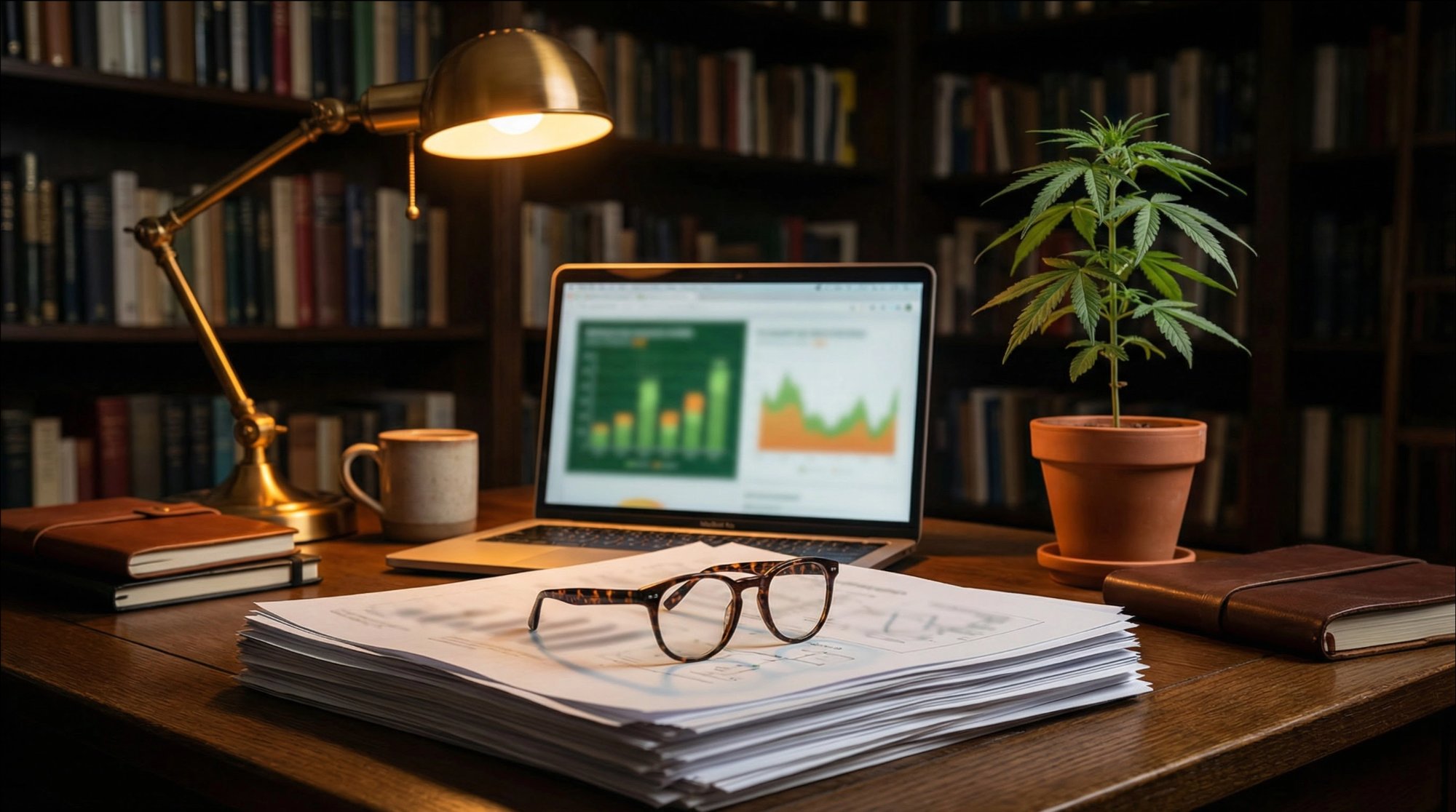
Scholarly desk with research papers, laptop charts, and hemp plant

Cannabis research is still catching up due to decades of federal restrictions, but the existing body of evidence is informative:

A 2017 study at the University of Illinois at Chicago found that low doses of THC (7.5mg) reduced self-reported stress after a mock job interview, while a higher dose (12.5mg) increased negative mood. This directly supports the dose-dependent model.

Research on the endocannabinoid system has shown that chronic stress depletes natural endocannabinoids. This suggests that supplementing the ECS with plant-derived cannabinoids may help restore balance — though more clinical studies are needed.

A large survey published in the Journal of Affective Disorders found that cannabis users reported a 58% reduction in anxiety and stress ratings after use. Importantly, products with higher CBD content and lower THC content were associated with the greatest reductions in anxiety specifically.

It's worth noting that these are observational and self-reported findings, not clinical prescriptions. THC is not a replacement for professional mental health treatment, and people with diagnosed anxiety disorders should consult a healthcare provider before using cannabinoids.

Building a Healthy Routine

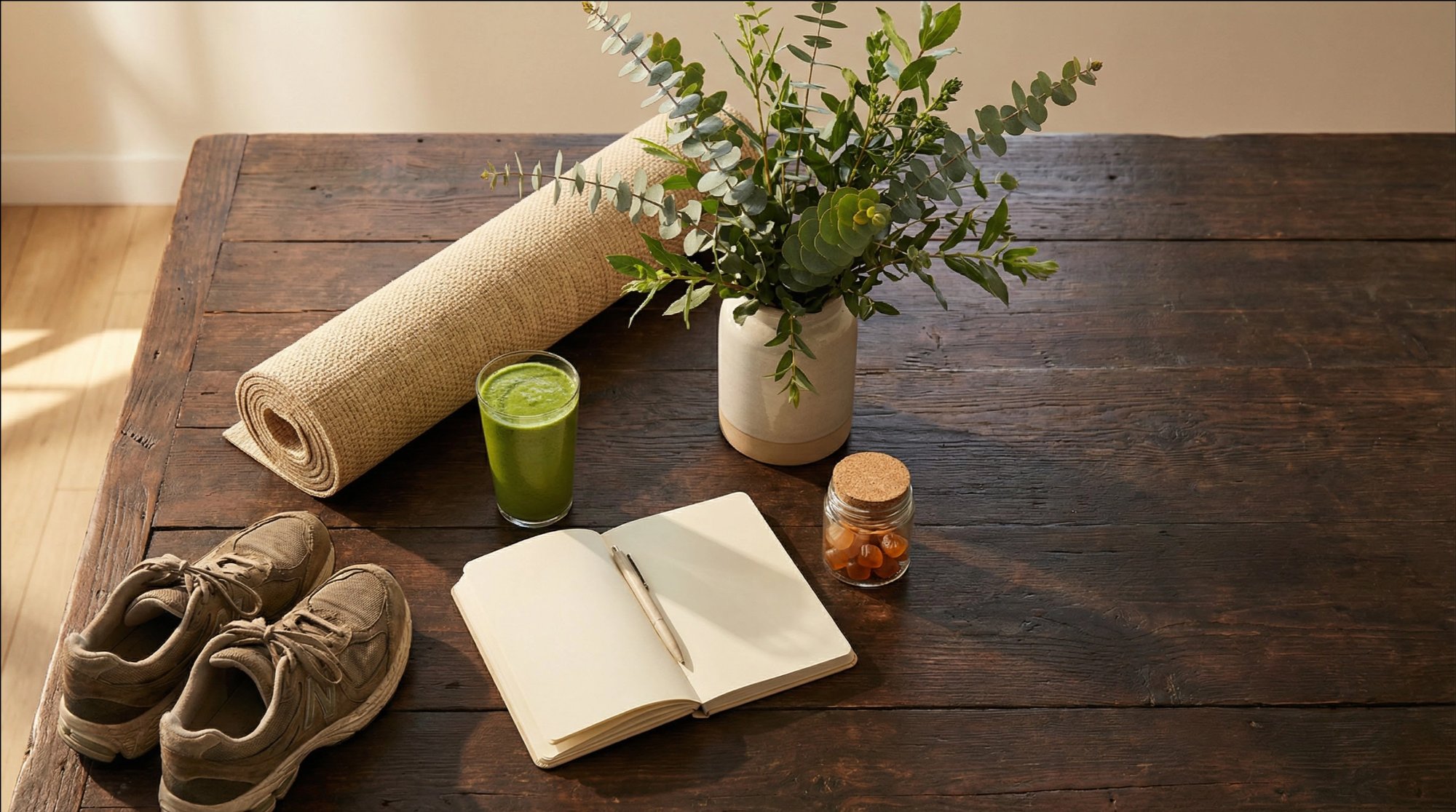
Morning wellness flat-lay with yoga mat, smoothie, journal, and gummies

THC can be a useful tool for stress management, but it works best as one part of a broader approach to wellbeing — not a standalone solution.

Pair with other stress-reduction practices. Exercise, adequate sleep, social connection, and even simple breathing exercises amplify the benefits of any relaxation tool, including THC.

Be mindful of frequency. Using THC daily for stress relief can lead to tolerance, meaning you'll need more over time to achieve the same effect. Many people find that limiting use to a few times per week maintains effectiveness while avoiding tolerance buildup.

Notice patterns. If you find that stress keeps returning the moment THC wears off, that's a signal to address the underlying stressors rather than increasing your dose. THC can help you decompress, but it works best alongside genuine stress management.

Don't self-medicate serious conditions. Everyday stress from work, responsibilities, and life demands is normal, and THC can help take the edge off. But persistent anxiety, depression, or overwhelming stress should be discussed with a healthcare professional who can provide comprehensive support.

Frequently Asked Questions

Ready to try?

Browse our lab-tested, USA-grown hemp products. Every order ships with a COA and is backed by our 100-day satisfaction guarantee.

Shop now