Back to Learn
Education 8 min read

THCa vs THC: What's the Difference and Why Does It Matter?

THCa and THC are closely related but chemically distinct cannabinoids. Learn how THCa converts to THC, why the difference matters for legality and effects, and what it means for the products you buy.

February 15, 2026·

The Short Version

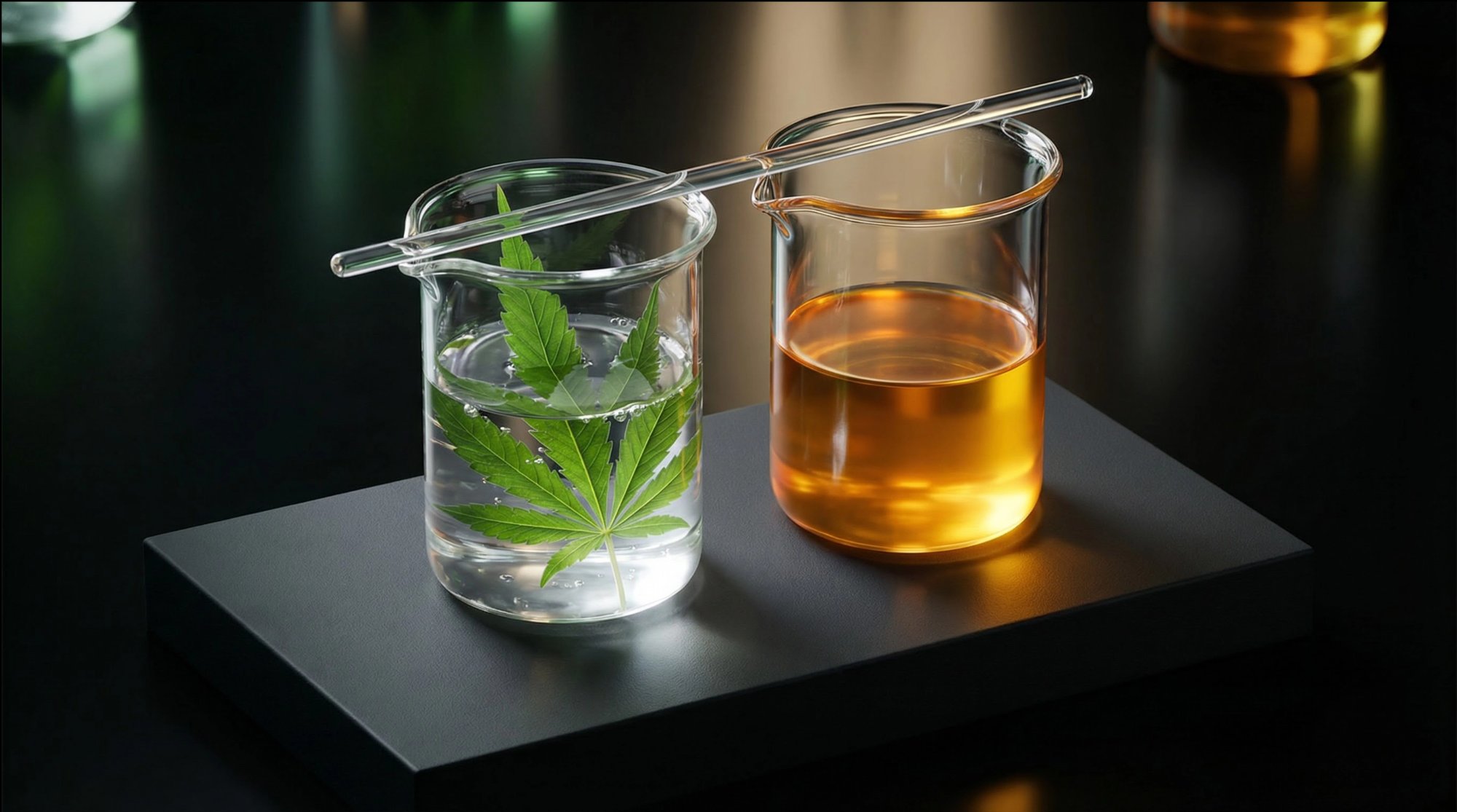
Two lab beakers comparing raw hemp leaf in clear liquid versus golden THC extract

THCa (tetrahydrocannabinolic acid) is the raw, non-psychoactive cannabinoid found naturally in living cannabis and hemp plants. THC (Delta-9-tetrahydrocannabinol) is the psychoactive compound responsible for the "high" associated with cannabis.

The relationship is simple: THCa is the precursor to THC. When THCa is exposed to heat — through smoking, vaping, or cooking — it undergoes a chemical process called decarboxylation, which removes a carboxyl group (COOH) from its molecular structure and converts it into active THC.

This distinction is important for three reasons: legality, effects, and how products are tested and labeled.
The Chemistry: How Decarboxylation Works

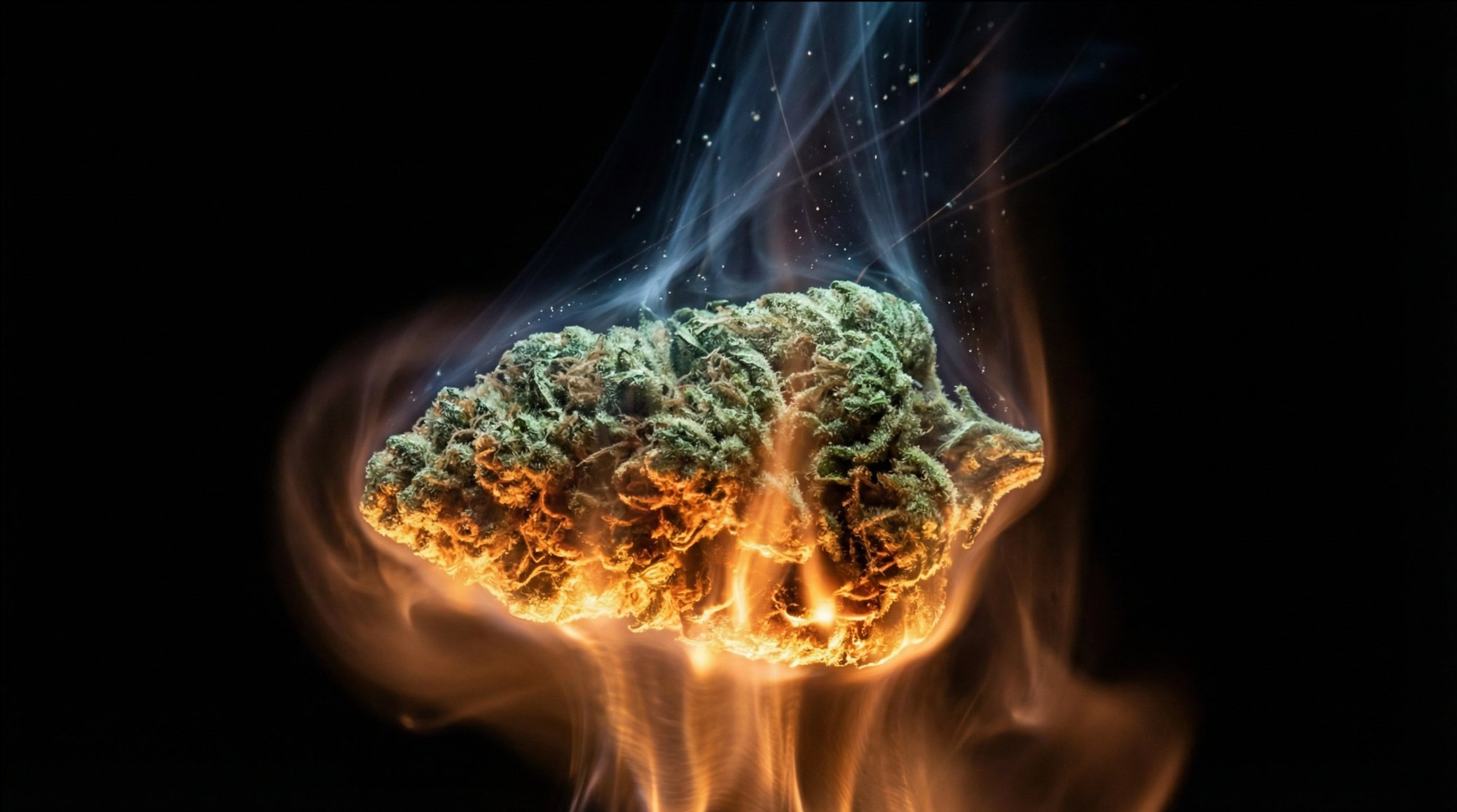
Cannabis bud suspended in flames with vapor particles escaping during decarboxylation

In its natural state, the cannabis plant produces very little Delta-9 THC. Instead, it produces THCa — an acidic precursor that carries an extra carboxyl group attached to its molecular structure. This group makes the molecule too large to bind effectively with your brain's CB1 receptors, which is why eating raw cannabis flower won't get you high.

When THCa is heated to approximately 220°F (105°C) or higher, decarboxylation occurs. The carboxyl group detaches as CO₂, and the remaining molecule is Delta-9 THC — which fits CB1 receptors perfectly and produces psychoactive effects.

This conversion happens naturally when you:

  • Smoke flower — Combustion temperatures (600°F+) instantly convert THCa to THC
  • Vaporize flower — Vaping temperatures (350–430°F) efficiently decarboxylate THCa
  • Cook with flower — Oven decarboxylation at 240°F for 30 to 40 minutes converts most THCa

The conversion rate isn't 100% — some THCa remains unconverted depending on temperature, duration, and method. Typical smoking or vaping converts roughly 80 to 90% of available THCa into THC.

Why the Legal Distinction Matters

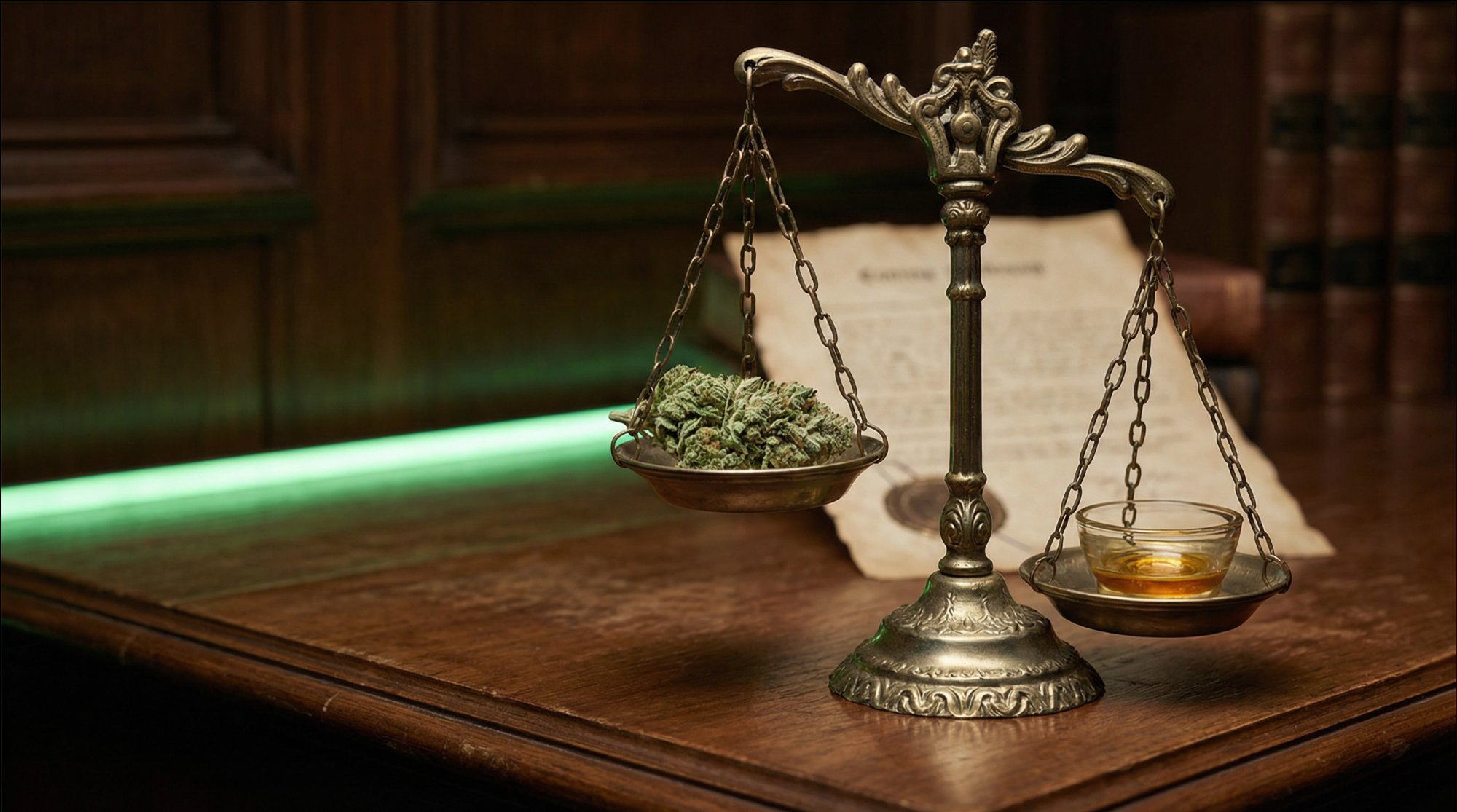
Brass scales of justice weighing raw cannabis flower against golden THC concentrate

Under the 2018 Farm Bill, hemp is defined as cannabis containing no more than 0.3% Delta-9 THC by dry weight. The key word is Delta-9 THC — not THCa.

This means a hemp flower product can contain 25% or even 30% THCa and still be federally legal, as long as the Delta-9 THC content in its raw, unheated form is below 0.3%. The THCa hasn't been converted yet, so it doesn't count against the legal threshold.

When you smoke or vape that same flower, the THCa converts to THC and produces effects comparable to traditional high-THC cannabis. This is the legal basis for the THCa flower market — the product is compliant in its sold form, even though it becomes psychoactive when consumed.

Some states have introduced "total THC" testing requirements that factor in potential THCa conversion (using the formula: Total THC = Delta-9 THC + (THCa × 0.877)). These state-level regulations can affect availability. Always check your local laws.

Effects: THCa in Raw Form vs Heated

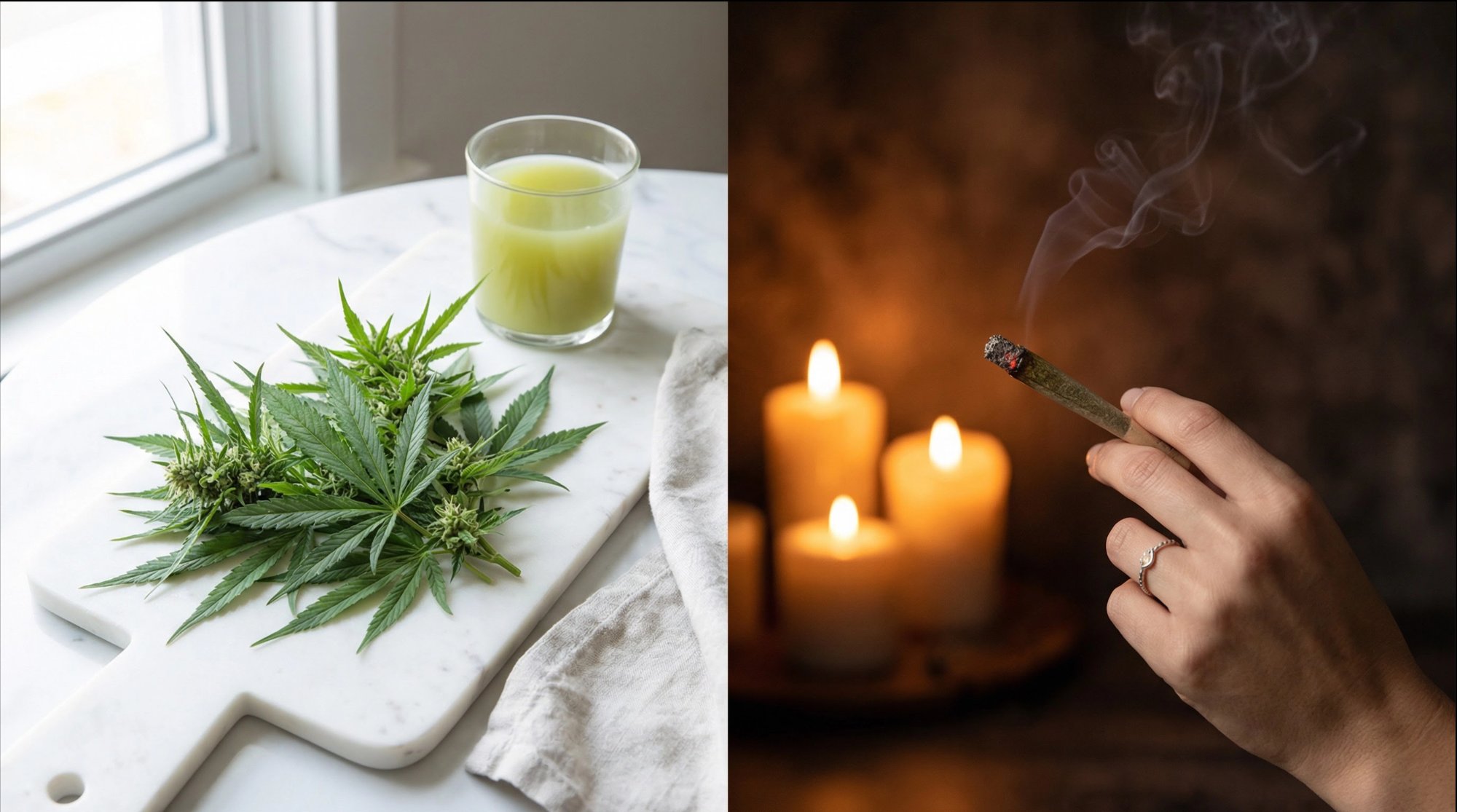
Diptych comparing bright raw cannabis leaves with green juice versus moody candlelit pre-roll with smoke

Raw THCa (unheated): Emerging research suggests THCa may have its own set of properties separate from THC, including potential anti-inflammatory and neuroprotective effects. Some people juice raw cannabis or take THCa tinctures specifically for these non-psychoactive benefits. You will not feel high consuming raw THCa.

Heated THCa (converted to THC): Once decarboxylated, the experience is indistinguishable from traditional THC. You'll feel the full spectrum of effects associated with the strain's cannabinoid and terpene profile — euphoria, relaxation, altered perception, increased appetite, and other effects that vary by strain and individual.

This is what makes THCa flower unique in the hemp market: it provides the same experience as traditional cannabis when smoked or vaped, while remaining legally compliant in its unheated, tested form.

How to Read THCa Product Labels

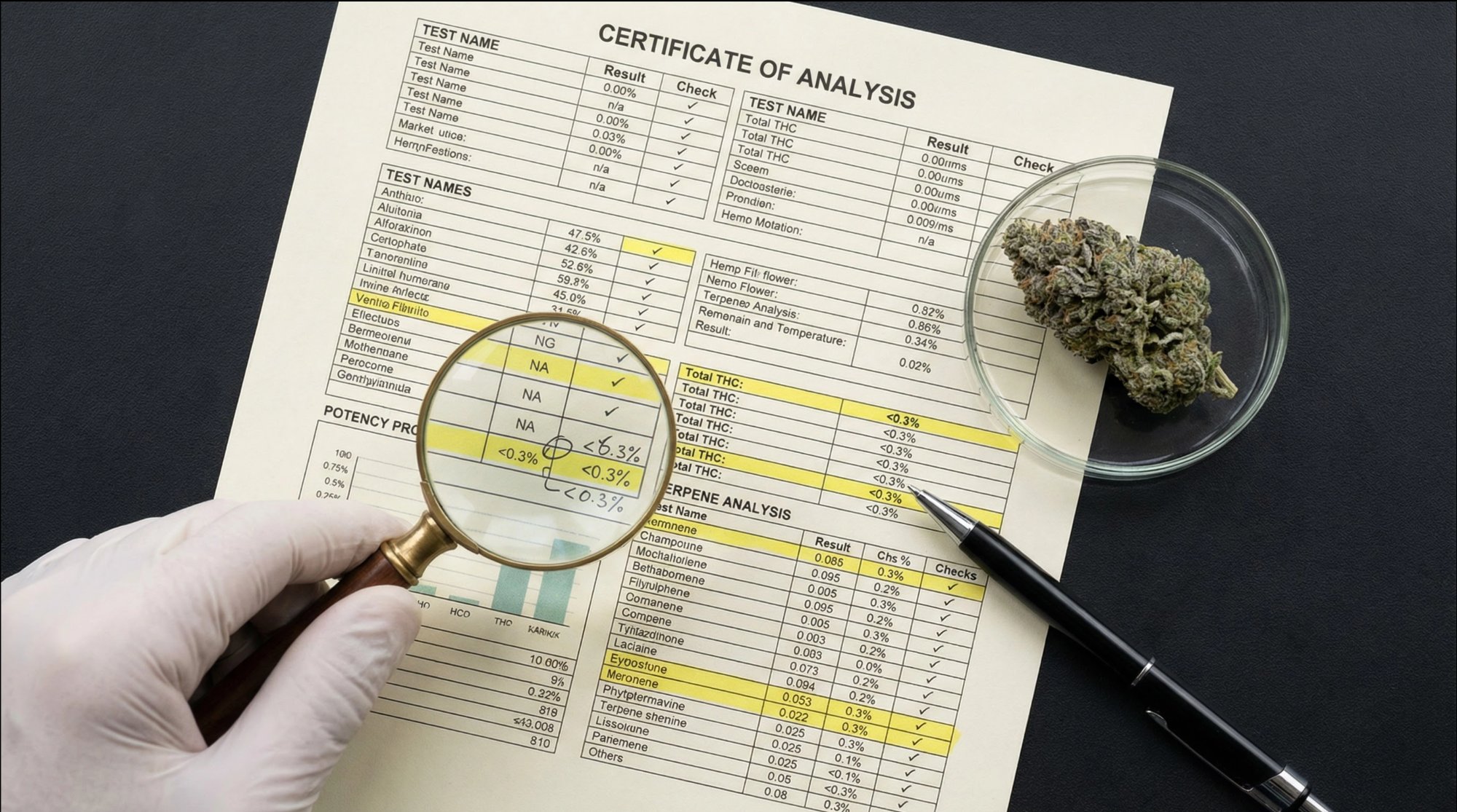
Gloved hand examining Certificate of Analysis with magnifying glass showing potency data

When shopping for THCa flower, you'll see several numbers on the lab results and product page:

THCa percentage: This is the main potency indicator. A flower testing at 28% THCa will produce roughly 24.5% THC when smoked (28% × 0.877 conversion factor). Higher THCa means stronger effects when heated.

Delta-9 THC percentage: This should be below 0.3% for legal compliance. It represents the small amount of THC naturally present without heating.

Total cannabinoid content: Includes THCa, THC, CBD, CBG, CBN, and other minor cannabinoids. A higher total cannabinoid content often indicates better-quality flower with more complex effects.

Terpene profile: Not a cannabinoid metric, but equally important for the experience. Terpenes like myrcene, limonene, and caryophyllene shape the specific effects and flavor of each strain.

At Official Farmacy, every product displays its THCa percentage prominently and links to the full Certificate of Analysis so you can verify these numbers independently.

THCa Flower vs Other THC Products

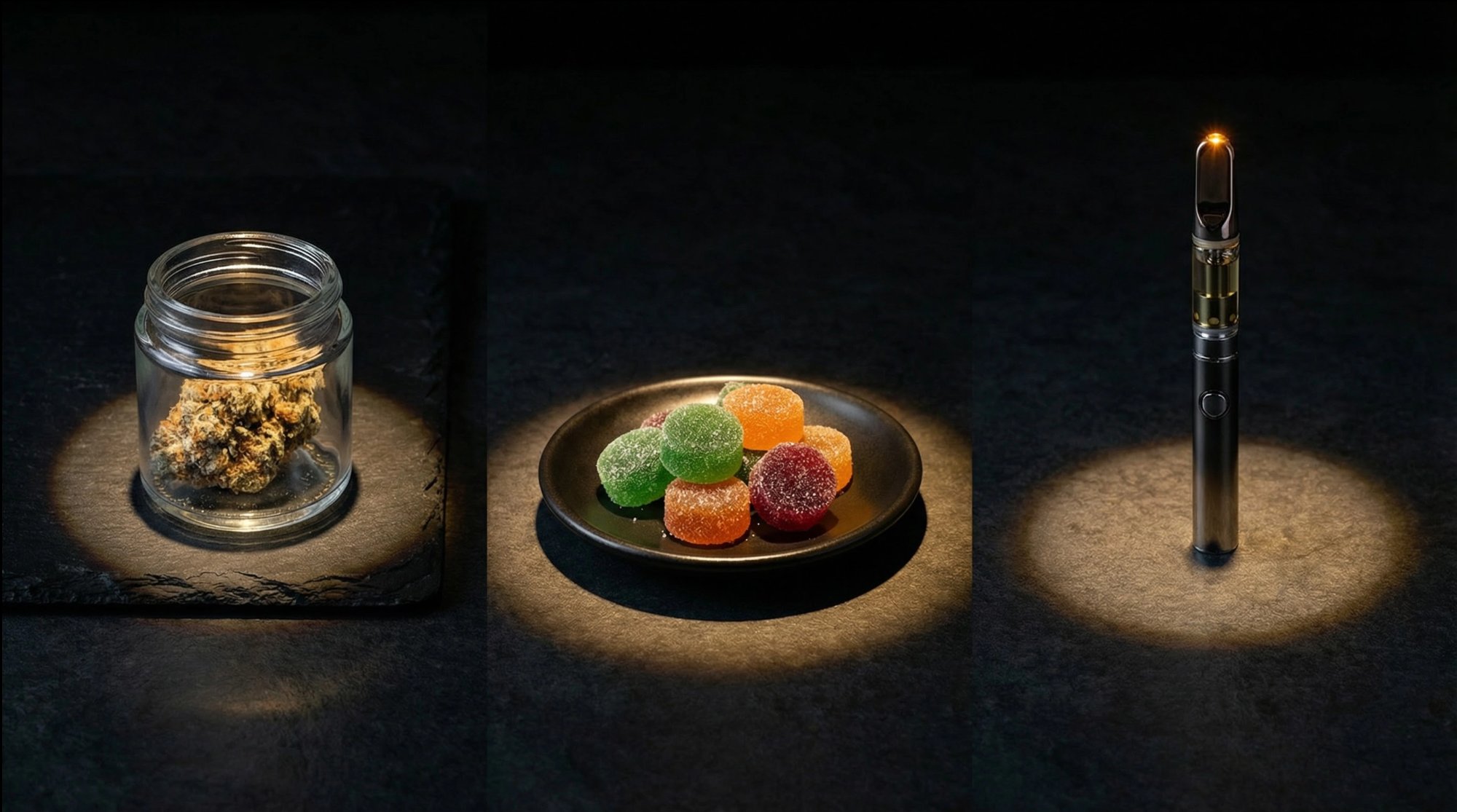
Three spotlit cannabis products: flower jar, THC gummies, and vape cartridge in gallery lineup

THCa flower vs Delta-8: THCa flower (when smoked) delivers Delta-9 THC — the same active compound found in traditional cannabis. Delta-8 is a different cannabinoid with milder psychoactive effects, roughly 50 to 70% as potent as Delta-9. If you want the full-strength cannabis experience, THCa flower delivers it.

THCa flower vs Delta-9 gummies: Gummies contain Delta-9 THC already in its active form. The effects are longer-lasting (4 to 8 hours vs 1 to 3 hours for flower) and onset is slower (30 to 90 minutes vs 1 to 5 minutes). Flower provides faster, more controllable effects with strain-specific character.

THCa flower vs dispensary cannabis: Chemically, there is no meaningful difference between high-THCa hemp flower and cannabis purchased from a state-licensed dispensary. Both contain THCa that converts to THC when heated. The legal difference is in how the plant is classified based on its raw Delta-9 THC content.

Frequently Asked Questions

Ready to try?

Browse our lab-tested, USA-grown hemp products. Every order ships with a COA and is backed by our 100-day satisfaction guarantee.

Shop now