Back to Learn
Cannabinoids 8 min read

What Is THCa Flower? The Complete Guide to Hemp's Most Potent Product

THCa flower is hemp-derived cannabis flower high in tetrahydrocannabinolic acid. When heated, THCa converts to THC through decarboxylation. Learn how THCa works, its effects, legality, and how to choose quality THCa flower.

February 12, 2026·

THCa Flower Explained

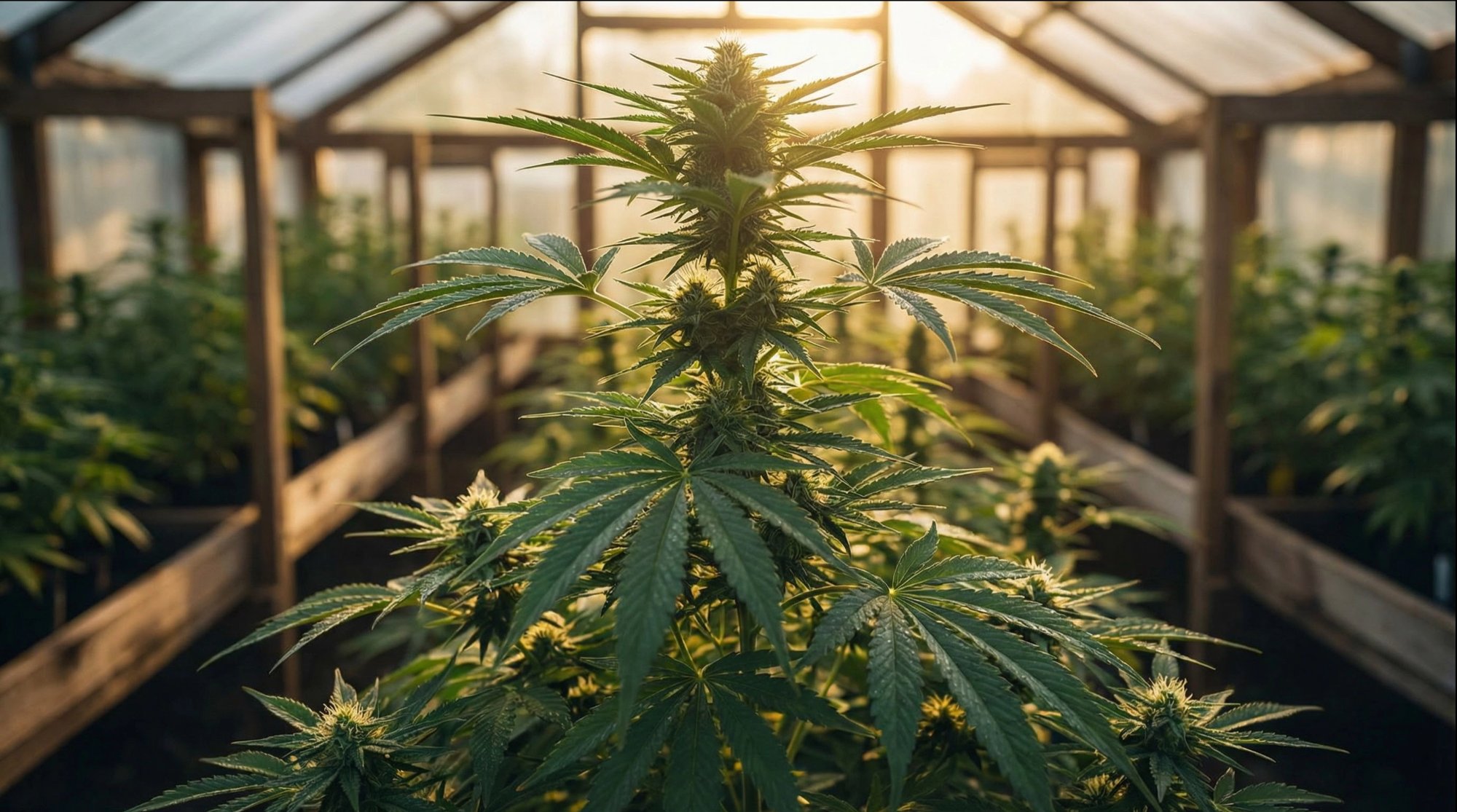
Hemp plant in a sun-drenched greenhouse with golden backlight

THCa (tetrahydrocannabinolic acid) is the naturally occurring precursor to THC found in raw, living cannabis plants. Unlike THC, THCa is non-psychoactive in its raw form — it won't get you high if you eat it straight off the plant. The magic happens when you apply heat.

THCa flower is cannabis flower grown from hemp cultivars that are bred to produce high levels of THCa while keeping Delta-9 THC below the 0.3% federal threshold. When you smoke, vape, or cook with THCa flower, a process called decarboxylation converts THCa into active Delta-9 THC, producing the full spectrum of effects cannabis is known for.

This is why THCa flower has become the fastest-growing segment in the hemp market — it delivers an experience virtually identical to traditional cannabis while remaining federally compliant under the 2018 Farm Bill.
How Decarboxylation Works

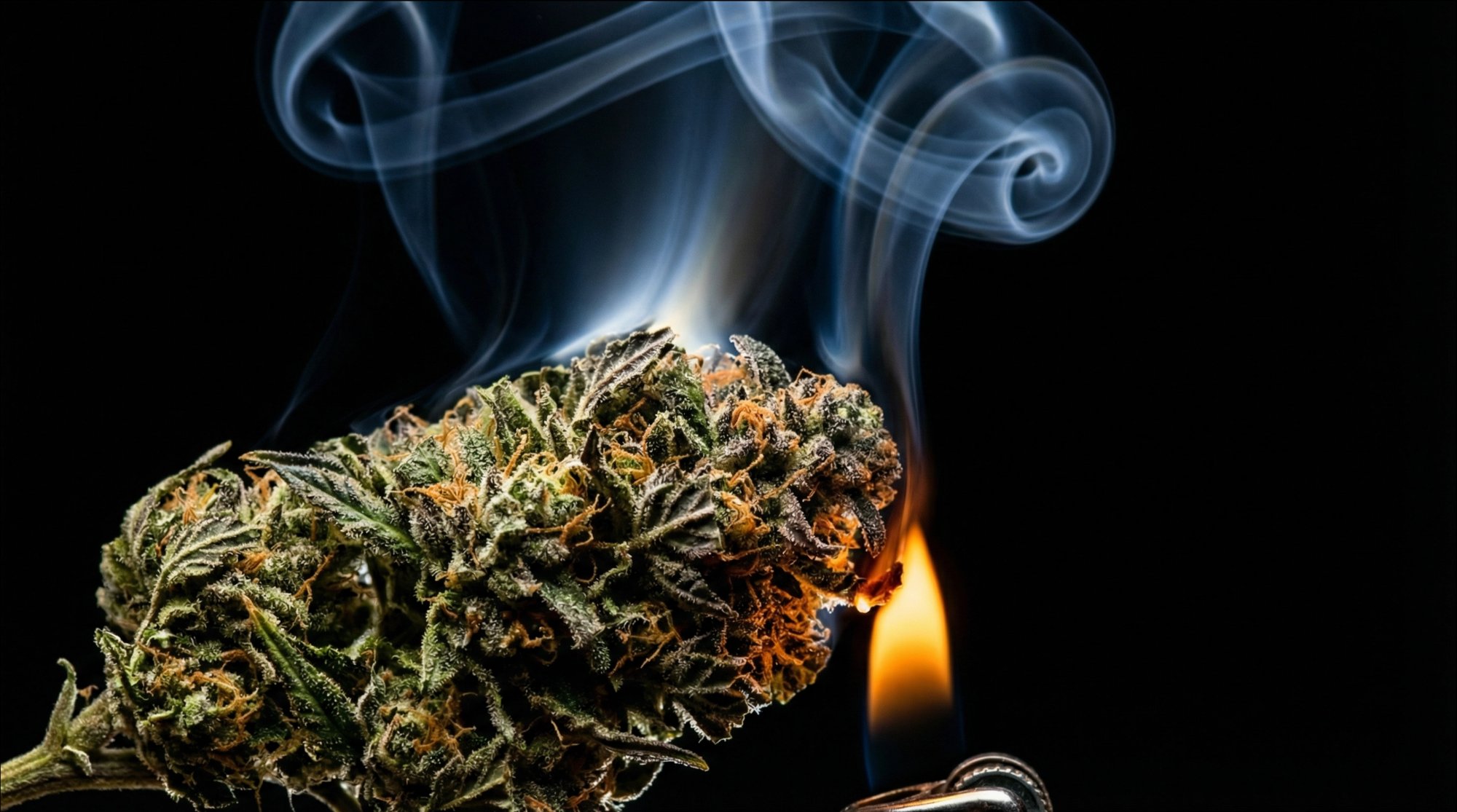
Cannabis bud being lit by flame with elegant smoke spirals

Decarboxylation is a chemical reaction triggered by heat that removes a carboxyl group (COOH) from the THCa molecule, converting it into THC. This happens naturally when you:

  • Smoke it — Combustion instantly decarboxylates THCa at temperatures above 220°F (104°C)
  • Vaporize it — Vaporizers heat flower to 315–440°F, efficiently converting THCa without combustion
  • Cook with it — Baking at 240°F for 30–40 minutes activates THCa for homemade edibles

The conversion rate isn't perfectly 1:1. THCa has a higher molecular weight than THC, so 100mg of THCa converts to approximately 87.7mg of THC after decarboxylation. This is important when calculating dosages, especially for edibles.

Raw THCa flower stored at room temperature will naturally decarboxylate very slowly over time, but the conversion is negligible under normal storage conditions. Proper storage in a cool, dark, airtight container keeps THCa stable for months.

THCa vs. THC: What's the Difference?

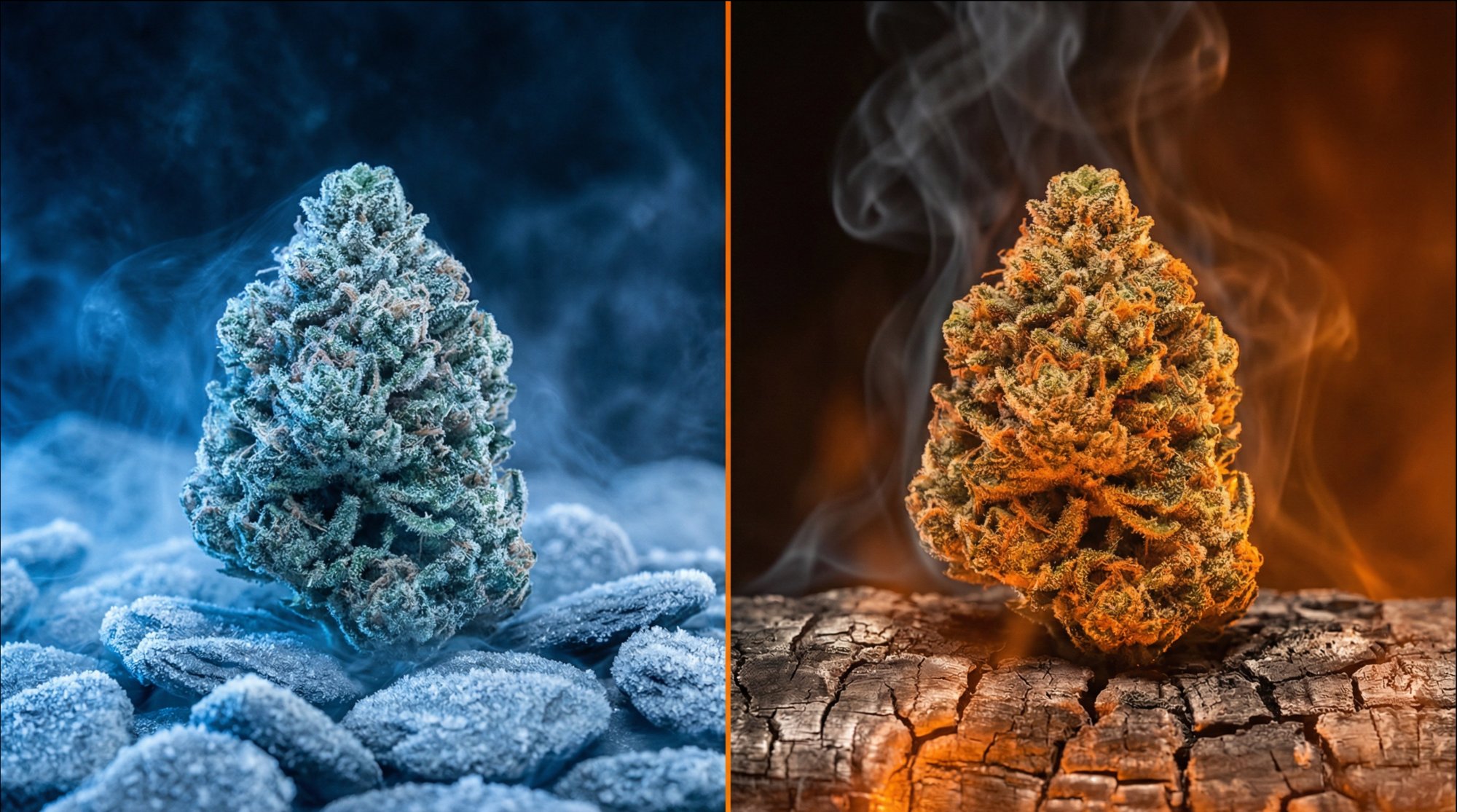
Split-screen showing icy blue raw THCa bud versus warm amber activated THC bud

The distinction between THCa and THC is purely chemical, but it has massive legal and practical implications:

THCa is the raw, acidic form of the cannabinoid. It has a larger molecular structure due to the extra carboxyl group. In its natural state, it does not bind efficiently to CB1 receptors in the brain, which is why it doesn't produce psychoactive effects when consumed raw.

THC (Delta-9-tetrahydrocannabinol) is the decarboxylated, active form. Once the carboxyl group is removed by heat, the molecule fits perfectly into CB1 receptors, producing the classic cannabis high — euphoria, relaxation, altered perception, and appetite stimulation.

For legal purposes, the 2018 Farm Bill measures compliance based on Delta-9 THC content, not THCa. A flower with 25% THCa and 0.2% Delta-9 THC is federally legal hemp because only the Delta-9 THC level is measured against the 0.3% threshold. This distinction is what makes the entire THCa flower market possible.

Effects and Benefits of THCa Flower

Person relaxing on deck at golden hour sunset with smoke drifting into sky

When smoked or vaporized, THCa flower produces effects identical to traditional cannabis because it converts to THC in real time. Users commonly report:

  • Euphoria and mood elevation — The classic "high" associated with cannabis
  • Deep relaxation — Particularly with indica-dominant strains
  • Pain relief — THC interacts with pain-modulating pathways in the endocannabinoid system
  • Enhanced creativity — Sativa-dominant strains are often associated with creative thinking
  • Improved sleep — Higher-THCa indica strains are popular choices for nighttime use
  • Appetite stimulation — The well-known "munchies" effect

The specific effects depend heavily on the strain genetics, terpene profile, and THCa potency. An indica like Permanent Marker with 28% THCa will produce a very different experience than a sativa like Lemon Fuel at similar potency. Terpenes like myrcene, limonene, and caryophyllene modulate the effects through what's known as the entourage effect.

How to Choose Quality THCa Flower

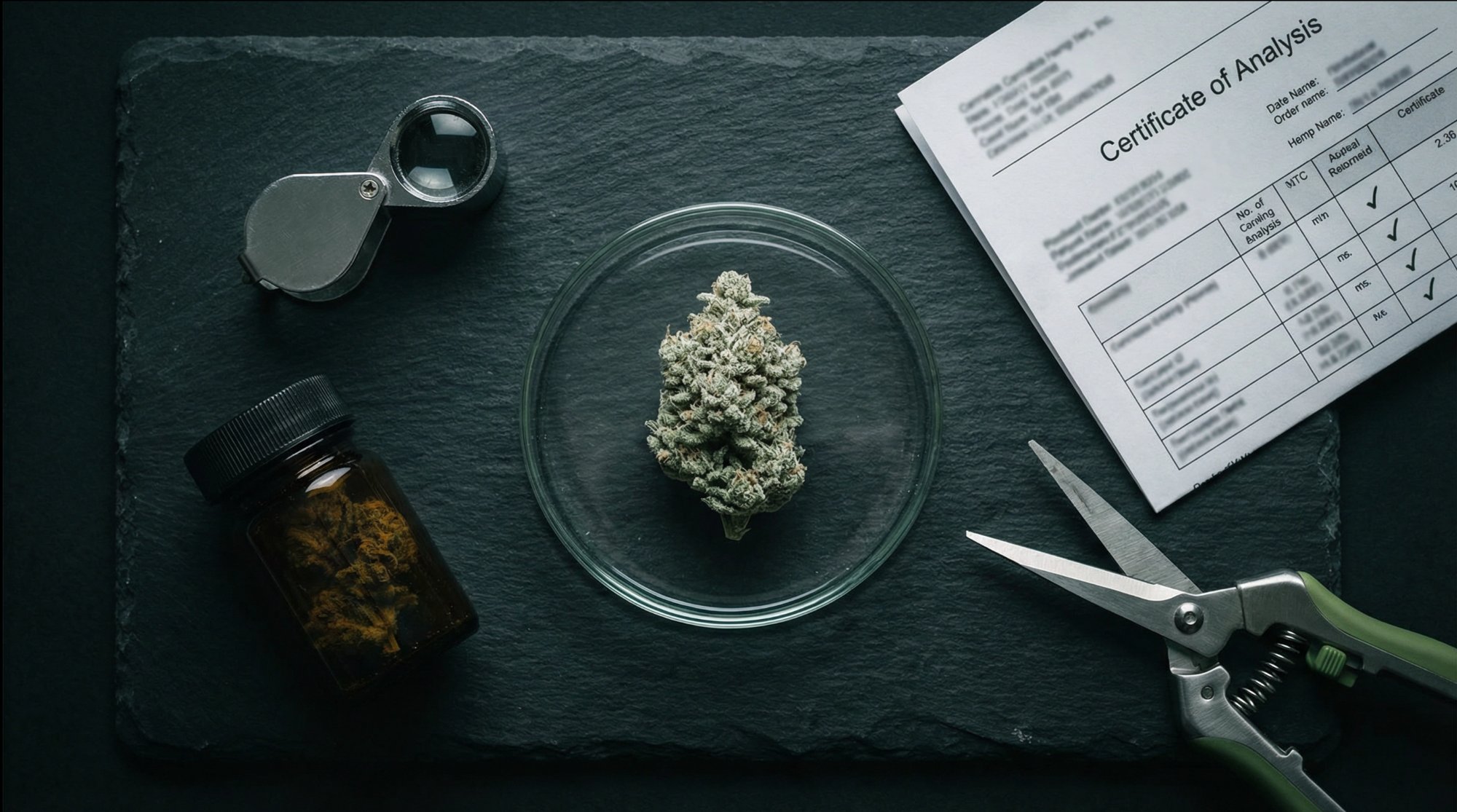
THCa flower bud in petri dish with COA document and quality inspection tools

Not all THCa flower is created equal. Here's what to look for when shopping:

  • Third-party lab testing (COAs) — Every batch should have a Certificate of Analysis from an accredited lab. Check for cannabinoid potency, pesticides, heavy metals, microbials, and residual solvents. If a brand doesn't provide COAs, walk away.
  • THCa percentage — Premium flower typically ranges from 20–35% THCa. Higher isn't always better — terpene profiles matter more for the overall experience than raw potency numbers.
  • Trichome density — Look at the photos. Quality THCa flower should be visibly frosted with trichomes — those tiny crystalline structures that contain the cannabinoids and terpenes.
  • Cure and moisture — Well-cured flower should feel slightly sticky but not wet. Overly dry flower has lost terpenes and won't taste or smell as intended.
  • Smell — Aromatic, pungent flower with a distinct terpene profile indicates proper cultivation and curing. If it smells like hay or nothing at all, the flower is either poorly grown or old.

At Official Farmacy, we hand-select every strain for potency, terpene richness, and visual quality. Every product page includes full COA documentation and detailed strain information.

Is THCa Flower Legal?

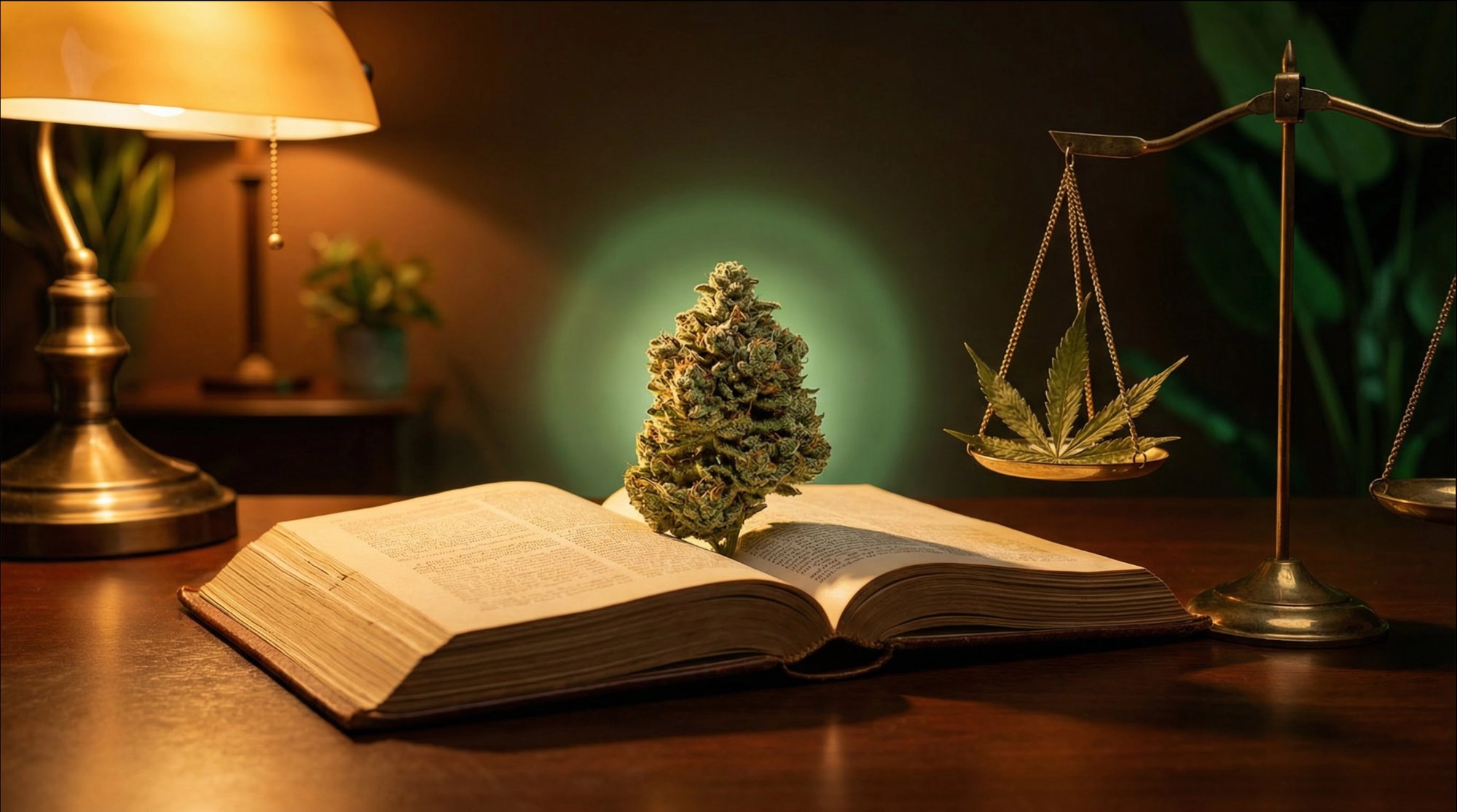
Cannabis bud on law book with brass scales of justice and hemp leaf

Under the 2018 Farm Bill, THCa flower is federally legal as long as the Delta-9 THC content is below 0.3% by dry weight. Since THCa itself is not Delta-9 THC, high-THCa flower can be legally cultivated, sold, and shipped to most states.

However, the regulatory landscape is evolving. In November 2025, Congress passed new restrictions on hemp-derived THC products that are set to take effect in November 2026. These changes could affect how THCa flower is classified and sold. We monitor all regulatory developments closely and will adjust our offerings as needed to remain fully compliant.

Individual states may also have their own restrictions on hemp-derived products, including THCa flower. Always check your state's current hemp laws before purchasing.

Frequently Asked Questions

Ready to try?

Browse our lab-tested, USA-grown hemp products. Every order ships with a COA and is backed by our 100-day satisfaction guarantee.

Shop now